sai & travels solution

An Advanced Analytical Archive Mapping Spatial Infrastructures, Sacred Geometry Shrines, and Intricate Regional Culinary Systems.

SYSTEMS BLOCK 01 / URBAN CENTERS & VALLEYS DATA MATRIX HIGH-DENSITY SPATIAL STATIONS
Pune
NODE INDEX // 01-A // CULTURAL NUCLEUS

Pune

// Historical Baselines & Iconic Monuments

Shaniwar Wada: The fortified seat of the Peshwas of the Maratha Empire, standing as a testament to 18th-century military engineering despite devastating historic fires. Aga Khan Palace: Built in 1892, featuring Italian arches and spacious lawns, this monument carries immense national importance as the site where Mahatma Gandhi was closely confined during the Quit India Movement. Sinhagad Fort: A legendary hilltop fortress situated on an isolated cliff of the Sahyadri mountains, famous for strategic defensive military engagements. Dagdusheth Halwai Temple: A massive cultural anchor point housing a magnificent Ganesha idol heavily adorned with kilograms of pure gold ornaments.

// Commercial Districts & Spatial Zoning

FC Road & JM Road: Dense arterial roadways functioning as commercial education epicenters, loaded with multi-story fashion retail outlets, publishing houses, and highly energetic student gathering spaces. Koregaon Park & Kalyani Nagar: Elite residential and business sectors lined with ancient, sweeping banyan tree canopies, high-end design boutiques, global microbreweries, and specialized artisanal workspaces. Camp (MG Road): A classic grid-style British-era layout, serving as an upscale pedestrian walking zone highly celebrated for heritage apparel houses, vintage jewelry shops, and classic colonial retail storefronts.

// Culinary Infrastructure & Heritage Eateries

Vaishali & Rupali (FC Road): Cult-status South Indian culinary outposts serving signature filter coffee, crisp butter dosas, and the highly specific SPDP (Sev Potato Dahi Puri) to multi-generational crowds. Goodluck Cafe (Deccan Crossroad): A legendary Irani establishment operational since 1932, globally famous for rich Bun Maska, highly spiced Keema Pav, and sweet milk-brewed black teas. George Restaurant & Blue Nile (Camp): Celebrated historical institutions recognized for introducing slow-cooked, highly aromatic Mughlai Biryani formulas to the Deccan table. Sujata Mastani: A dominant homegrown dessert franchise specializing in dense, fruit-purée milkshakes capped with rich artisanal ice-cream blocks.

Mumbai
NODE INDEX // 01-B // FINANCIAL HEADQUARTERS

Mumbai

// Architectural Milestones & Sightseeing Nodes

Gateway of India: An imposing 26-meter basalt stone arch constructed in the Indo-Saracenic style to commemorate the 1911 royal landing. Marine Drive: A 3.6-kilometer C-shaped seaside concrete promenade termed the "Queen's Necklace" due to its spectacular curved geometry of street lights. CSMT Station: A brilliant UNESCO World Heritage architectural site representing high Victorian Gothic Revival aesthetics blended seamlessly with traditional Indian structural designs. Haji Ali Dargah: An Indo-Islamic mosque structure floating directly in the middle of the Arabian Sea, accessible exclusively via a narrow, 500-meter causeway during low-tide windows.

// Commercial Districts & Elite Enclaves

Colaba & Fort: Highly historical commercial zones containing deep banking headquarters, premium art galleries, high-ceilinged colonial libraries, and street side curios markets. Bandra (West): The elite residential capital of digital and media professionals, packed with global design flagships, historical Portuguese seaside villages, and heavily guarded cliffside villas. Juhu Layout: A premium coastal micro-market featuring sweeping sand frontages, multi-national five-star hospitality towers, and upscale waterfront real estate assets.

// Culinary Anchors & Historic Establishments

Britannia & Co. (Ballard Estate): A majestic Parsi culinary cathedral universally celebrated for its closely guarded Iranian Berry Pulao, Salli Boti, and vintage wooden structural atmosphere. Leopold Cafe & Cafe Mondegar (Colaba Causeway): Vibrant, globally recognized art-walled beer halls acting as central hubs for international travelers and local creative networks. Mahesh Lunch Home & Gajalee: Ultra-premium coastal dining locations specializing in high-heat Malvani-style butter garlic pepper crabs, crispy rava-fried Bombil, and deep-ocean fish thalis.

Lonavala
NODE INDEX // 01-C // HIGHLAND EXPANSIONS

Lonavala & Khandala

// Geographic Formations & Ancient Shrines

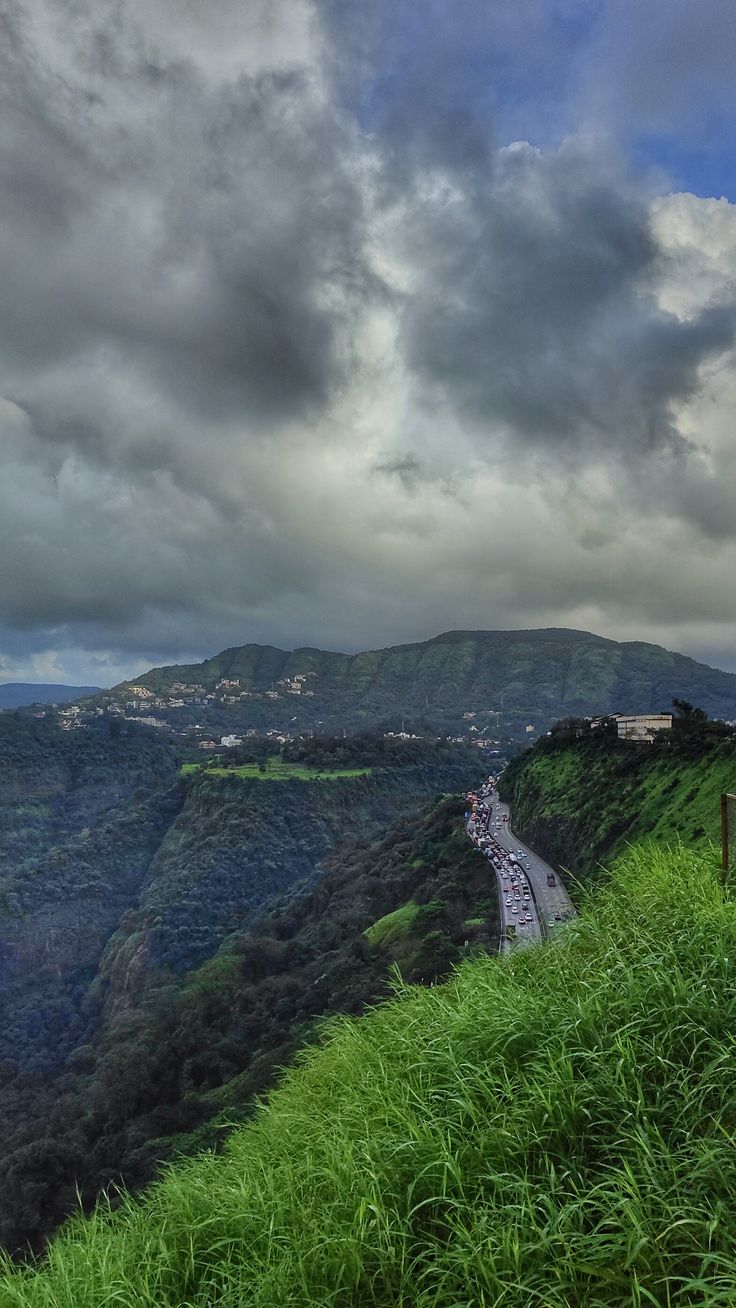
Tiger’s & Lion’s Points: Extreme mountain cliff drop-offs offering expansive, panoramic views of deep valleys, dense mist-lines, and intense seasonal waterfalls. Bhushi Dam: A highly popular water-diversion masonry dam where water flows down over a series of concrete steps during peak monsoon cycles. Karla & Bhaja Caves: Ancient 2nd-century BC rock-cut Buddhist sanctuary architecture containing massive, expertly chiseled chaitya prayer halls and arched wooden timber ribbing.

// Commercial Confectionery Strips

Main Bazaar Strip: A long, brilliantly lit commercial thoroughfare dominated by vast processing operations specializing in regional hard-brittle nut confectioneries (Chikki) and soft milk fudges.

// Culinary Specialization Hubs

Cooper’s Fudge: A multi-generational bakery operation known for its signature recipe of rich, smooth Chocolate Walnut Fudge. Maganlal Chikki Network: The preeminent enterprise layout for sourcing hyper-crisp peanut, cashew, and dry-rose petal jaggery brittle configurations. The Kinara Village Dhaba: A massive, multi-acre rustic village-themed restaurant compound positioned along the highway, mimicking traditional Punjabi rural architecture layouts.

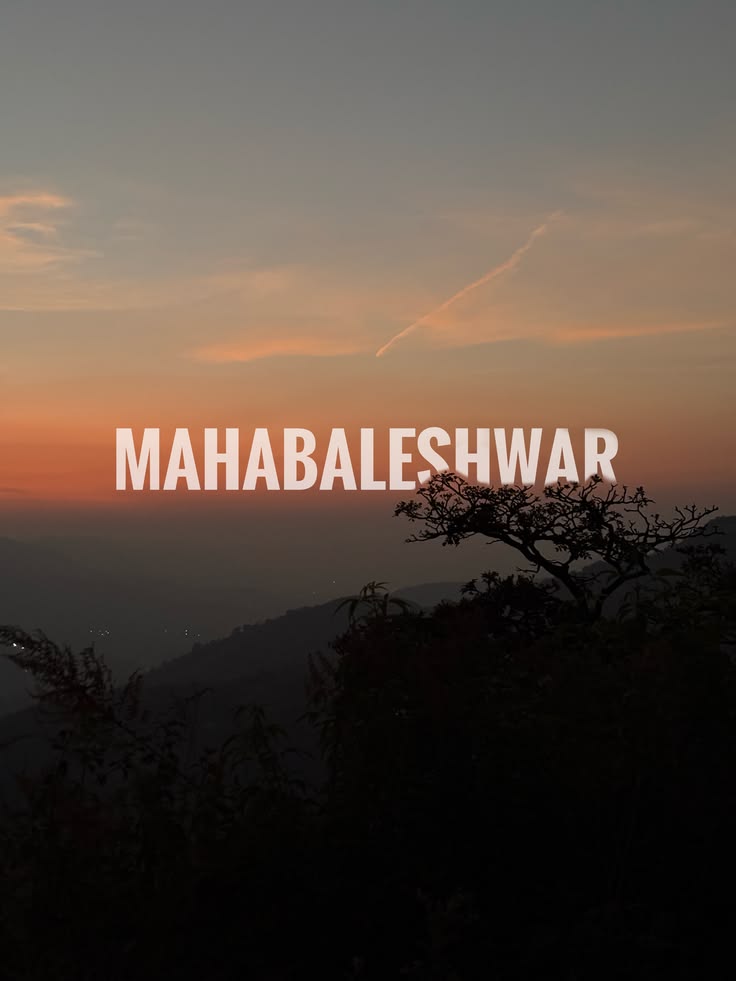
Mahabaleshwar
NODE INDEX // 01-D // VOLCANIC REALMS

Mahabaleshwar & Panchgani

// High-Altitude Geography & Fortifications

Arthur’s Seat: Known as the queen of all hill points, showing a sheer 600-meter drop into the dense Brahma-Arayan territory below. Table Land (Panchgani): Asia’s second-longest mountain volcanic plateau, forming a vast, flat crust of red laterite rock towering above regional villages. Pratapgad Fort: A historical mountaintop fort featuring massive double-walled defense systems, famous for the historic encounter between Chhatrapati Shivaji Maharaj and Afzal Khan.

// Agrarian Trade Zones & Craft Streets

Town Market Infrastructure: A dedicated pedestrian trade sector focusing on the direct distribution of fresh strawberries, red raspberries, handcrafted leather footwear (Kolhapuri variants), and hand-carved solid timber toys.

// Signature Gastronomy Specifications

Mapro Garden Estate: A massive agritourism facility globally celebrated for massive glass bowls of fresh hand-picked Strawberries topped with Thick Artisanal Fresh Cream, alongside heavy wood-fired sourdough pizzas. Bagicha Corner: A highly popular local kitchen renowned for crisp, deep-fried fresh sweetcorn patties and refreshing mulberry milkshakes.

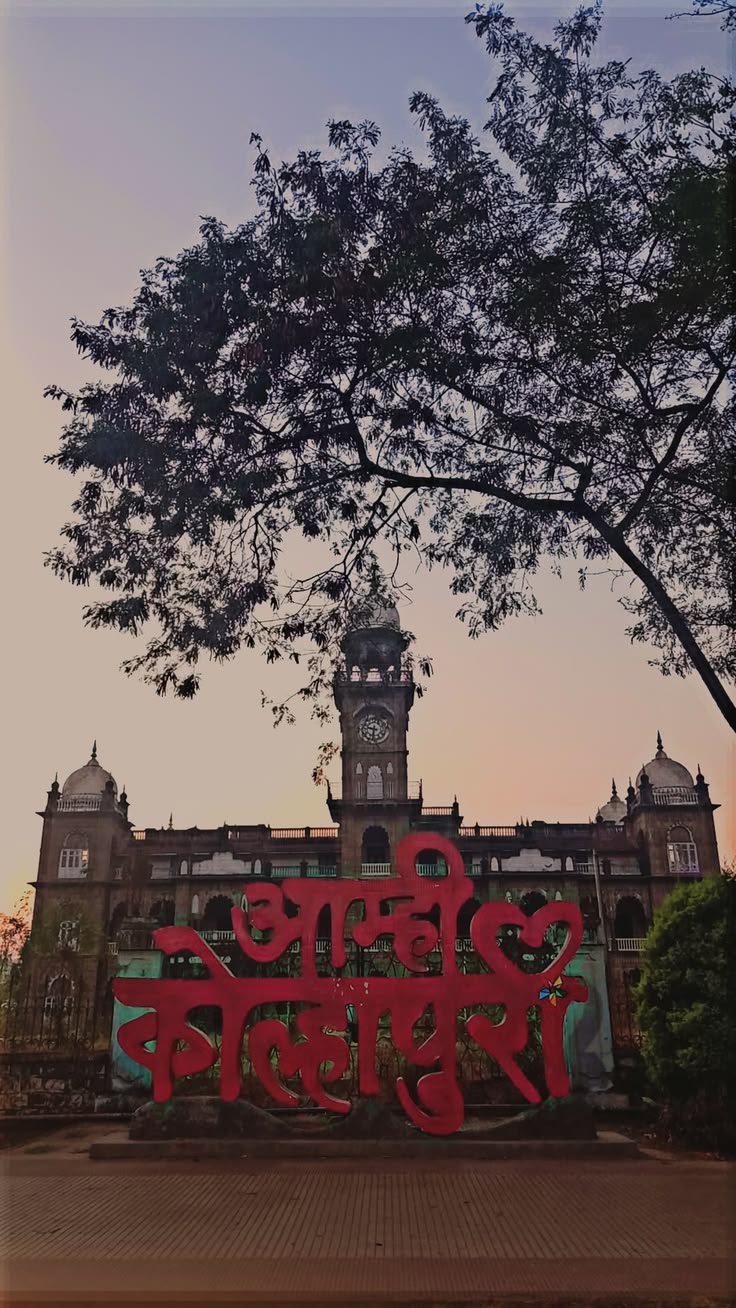
Kolhapur
NODE INDEX // 01-E // MARATHA REGAL STATIONS

Kolhapur

// Royal Heritage Assets & Historic Shrines

Mahalakshmi Temple: An architectural masterpiece from the 7th century, featuring intricate stone carvings that house the revered black basalt stone deity. New Palace Museum: A magnificent structure built of black polished stone that blends Indo-Saracenic styles, showcasing rare weapons, imperial hunting trophies, and royal Maratha clothing archives. Panhala Fort: A massive, strategic hilltop fortress with deep underground granaries, directly linked to legendary escape strategies of the Maratha military.

// Indigenous Manufacturing Sectors

Rajarampuri, Shahupuri & Laxmi Road: Historically established retail sectors universally famous for purely hand-stitched, vegetable-dyed Kolhapuri Chappals (leather footwear designed to emit a specific acoustic creak) and specialized traditional heavy gold block creations like the iconic Kolhapuri Saaj necklace line.

// Intense Spice Systems & Meat Formulations

Hotel Opal & Hotel Dehati Systems: Elite regional kitchens serving the classic Kolhapuri Thali, defined by two highly specialized stock broths: Tambda Rassa (a thin, fiery red-chili mutton bone reduction broth) and Pandhra Rassa (a delicate white broth made from a base of coconut milk, cashew paste, and light spices). Phadtare Misal Kendra: A legendary spot known for its fiery morning snack consisting of a sprouted moth-bean curry base layered with high-heat regional red chili oils.

SYSTEMS BLOCK 02 / THE SHIVA JYOTIRLINGA REFUGE COSMIC SHIFT FIELD ALIGNMENTS
Swipe horizontally to view full matrix →
Shrine Station Id Geographic Coordinates Architectural Framework & Ritual Matrix
1. BhimashankarKhed Region (Highlands)Set inside a protected, high-altitude evergreen sanctuary forest. Features 18th-century Nagara-style stone carvings. Origin point for Bhima River.
2. TrimbakeshwarNashik (Brahmagiri Foothills)Constructed of heavy black basalt stone under Peshwa Balaji Baji Rao. Internal lingam features unique hollow cavity with three deity forms.
3. GrishneshwarVerul (Sambhajinagar)Reconstructed by queen Ahilyabai Holkar using striking red basalt rock blocks. 12th and final Jyotirlinga node, 1km from Ellora Caves.
4. Aundha NagnathHingoli Plain SystemsConsidered to be the 8th Jyotirlinga shrine. Enclosed by massive, thick fortress walls made of dry-stacked stone blocks with a sunken sanctum.
5. Parli VaijnathBeed High Hill PlatformsConstructed on a high, fortified stone hill platform using large geometric stone blocks. Celebrated as a sanctuary for medicinal wild plants.
* System Notice: Strict all-vegetarian, garlic-free protocols required inside the boundaries. SECURE INTERACTION WINDOW
SYSTEMS BLOCK 03 / ASHTAVINAYAK CIRCUIT ENGINE GEOMETRIC INNER ALIGNMENT SCHEMES
Swipe horizontally to view full matrix →
Ganpati Shrine Point Spatial Grid Assignment Structural Framework & Morphologies
MayureshwarMorgaon (Pune Segment)Mandatory starting/concluding point. Features thick black stone walls with minarets, designed to mirror an Islamic fortress for protection.
SiddhivinayakSiddhatek (Ahmednagar Belt)Built on a high hillock. Only Ashtavinayak idol whose trunk curves to the right, representing fierce, sun-like power demanding strict rituals.
BallaleshwarPali (Raigad Frontier)Unique shrine named after a child devotee. Features a wide hall with a massive cast bell captured from the Portuguese by Maratha forces.
VaradvinayakMahad Village (Coastal Outer)Scenic temple set beside an ancient stone pond. The unique inner sanctum features a sacred oil lamp burning continuously for over 120 years.
ChintamaniTheur (Pune Segment)Located at the junction of Mula/Mutha rivers. Deity traditionally worshipped to bring clarity and remove deep anxiety.
GirijatmajLenyadri Hills (Cave Face)Rock-cut temple carved directly into Cave 7 of a historic 30-cave Buddhist complex. Requires walking up 307 stone steps.
VighnaharOzar (Pune Sector Boundary)Enclosed by thick protective walls with a golden dome. Idol is flanked by ruby-studded eyes, worshipped to remove all obstacles.
MahaganapatiRanjangaon (Pune Segment)Constructed under patronage of the Peshwas, facing east. Represents the form Ganesha took before his battle with Tripurasura.
SYSTEMS BLOCK 04 / SPIRITUAL ECOSYSTEMS HIGH-THROUGHPUT ENERGY PLATFORMS
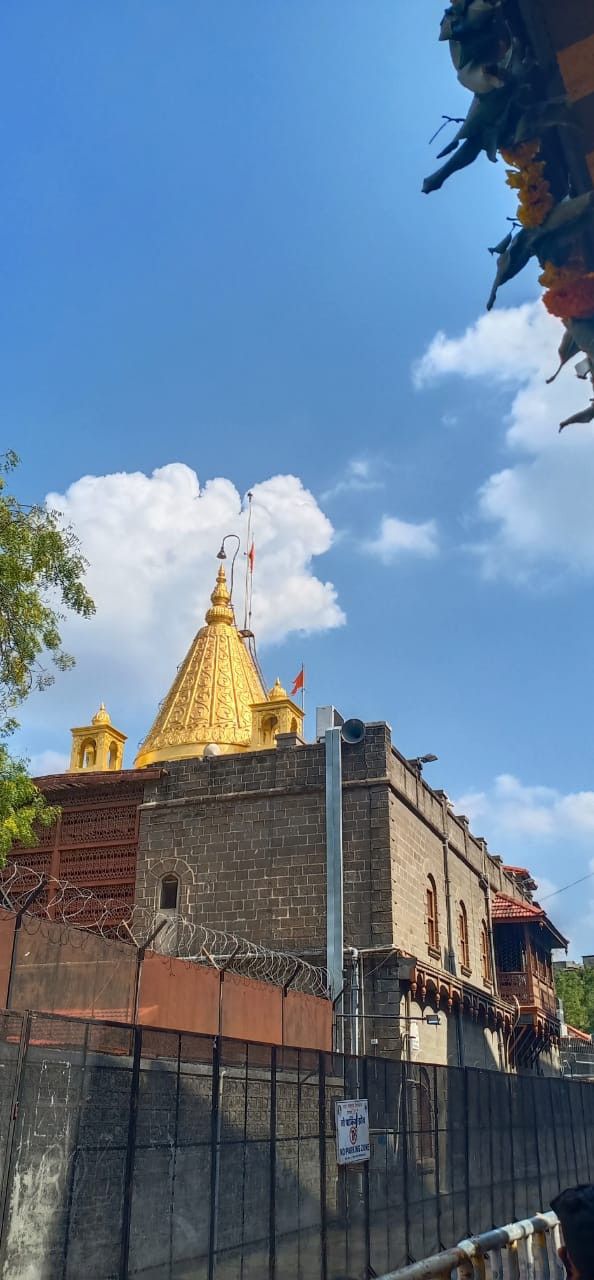
Shirdi
NODE INDEX // 04-A // DEVOTIONAL CENTER CORES

Shirdi

// Sacred Complex Enclaves & Spatial History

Samadhi Mandir: A beautiful white Italian marble monument housing the tranquil seated figure of Sai Baba under a golden umbrella structure. Dwarkamai Mosque: An ancient, weathered structure where Sai Baba spent his life, housing the Dhuni (the sacred fire kept burning continuously for over a century). Shani Shingnapur (Outpost): Located 70km out, famous because homes possess zero doors or locks due to trust in Lord Shani.

// Solar Mega-Kitchen Infrastructure

Shree Sai Prasadalaya: An absolute marvel of mega-scale engineering. It operates one of the largest solar-powered steam kitchen arrays in the world, preparing and serving fresh, hygienic vegetarian meals to over 100,000 devotees daily.

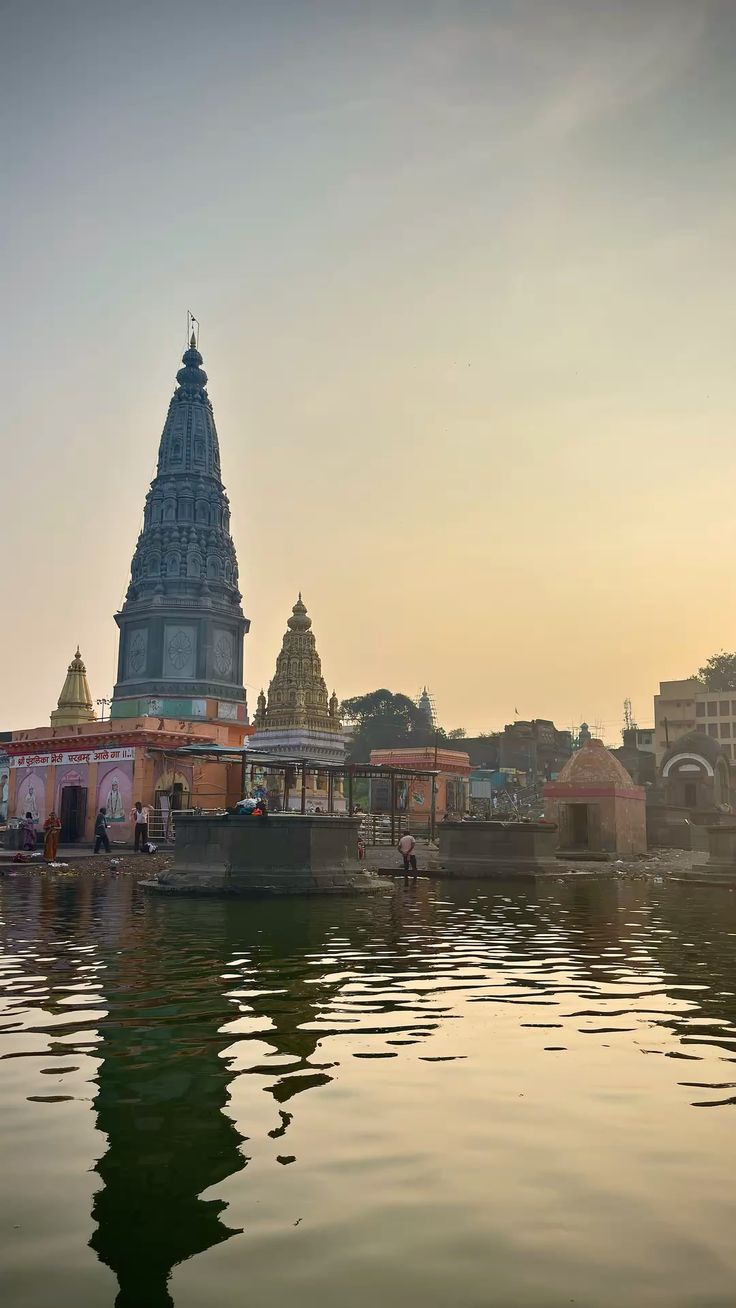
Pandharpur
NODE INDEX // 04-B // TRI-STATION SYSTEM VECTOR

Pandharpur, Tuljapur & Akkalkot

// Pandharpur: The Warkari Devotional Base

Houses the Vitthal Rukmini Temple on the banks of the Chandrabhaga River. Local boarding houses serve simple meals featuring Pithla Bhakri and fresh green chili Thecha.

// Tuljapur: The High Shakti Seat

Features the mountain-cut Tulja Bhavani Temple, family deity of Shivaji Maharaj. Temple sweet offering features authentic Puran Poli alongside hearty regional thalis.

// Akkalkot: The Datta Sampradaya Nucleus

Centers around the Vatavruksha Swami Samarth Temple, built directly around the ancient banyan tree. Dining focuses on plates featuring dry roasted peanut-garlic chutney and flame-toasted Jowar Bhakri.

SYSTEMS BLOCK 05 / TROPICAL LITTORAL FRONTIERS GEOGRAPHIC BOUNDARY SHIFTS
Konkan
NODE INDEX // 05-A // LITTORAL HIGHWAYS

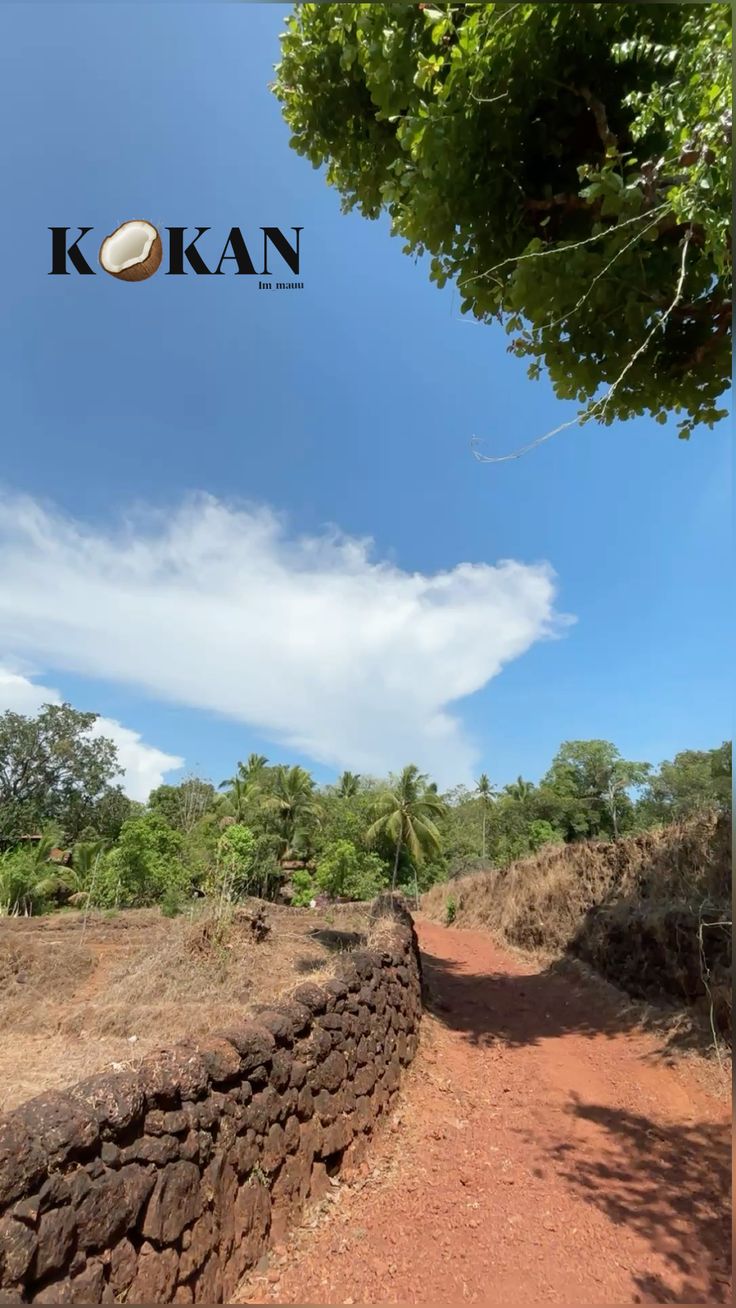
Kokan Coastline

// Massive Sea Forts & Coral Frontiers

Alibaug Stretch: Features Kashid Beach and Murud Janjira Fort, an impregnable island fortress standing directly in mid-ocean with massive walls that never fell to foreign naval invasion. Sindhudurg Reef Systems: Home to Tarkarli Beach, celebrated for clear waters, and Malvan Sea Fort, built by Shivaji Maharaj directly on rocky ocean islands.

// Quiet Plantation Settlements

Guhagar, Dapoli, and Diveagar: Peaceful coastal towns filled with deep betel-nut plantations (Wadi), lines of coconut palms, and long stretches of white and black sand beaches.

// Malvani Kitchen Systems & Solkadhi Chemistry

Local home-run eateries serve authentic Malvani Seafood Thalis. Inclusions feature crispy golden rava-fried Pomfret, Kingfish (Surmai), and Solkadhi (a digestive drink made from kokum fruit pulp and fresh coconut milk). Pick up sweet Ukadiche Modak and canned Alphonso Mango pulp (Hapus).

Goa
NODE INDEX // 05-B // INDO-PORTUGUESE INTERFACES

Goa

// Coastal Divisions & UNESCO Monuments

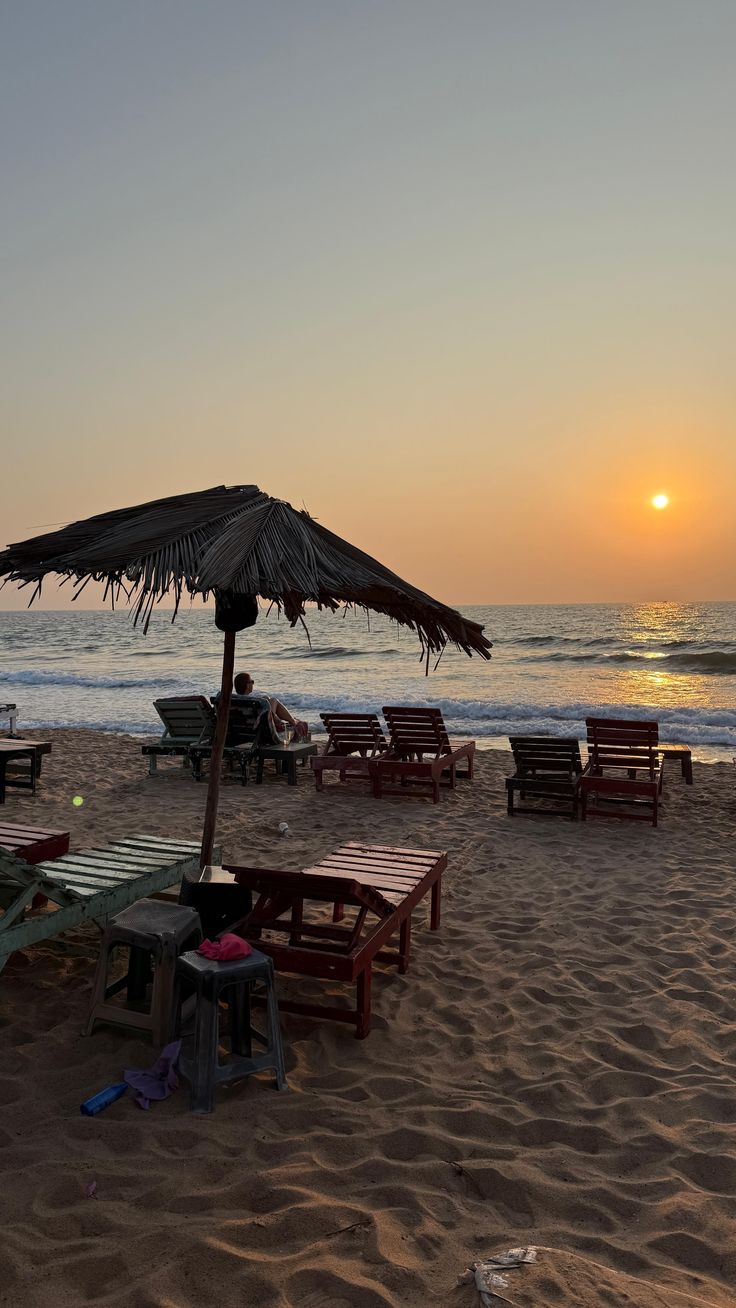
North Goa Beach Strip: Calangute, Baga, and Anjuna, functioning as high-energy hubs for water sports and nightlife. South Goa Crescents: Palolem, Agonda, and Colva, offering serene, quiet white-sand backdrops wrapped in dense palm trees. Basilica of Bom Jesus: A magnificent UNESCO World Heritage site holding the mortal remains of St. Francis Xavier, showcasing fine baroque architecture. Dudhsagar Falls: A massive, 310-meter four-tiered waterfall deep in the forest that resembles a cascading river of milk.

// The Old Latin Quarters

Fontainhas (Panaji Capital): Defined by narrow winding lanes lined with Mediterranean-style bright yellow, green, and blue colonial villas featuring elegant wrought-iron balconies.

// Indo-Portuguese Gastronomy Preservation

Mum's Kitchen (Panaji): Celebrated restaurant dedicated to preserving authentic Goan-Catholic family recipes like pork vindaloo and chicken xacuti. Martin’s Corner (Betalbatim): Famous seafood destination known for its massive butter-garlic crab platters. The Fisherman’s Wharf: Riverside open-air dining serving traditional multi-layered Bebinca sweet cakes.